Insights

Kumaran is a Canadian author who has published several opeds in leading politics and policy publications.

Featured Insight

Leaving No Table Unturned in Canada’s Push to Diversify Trade

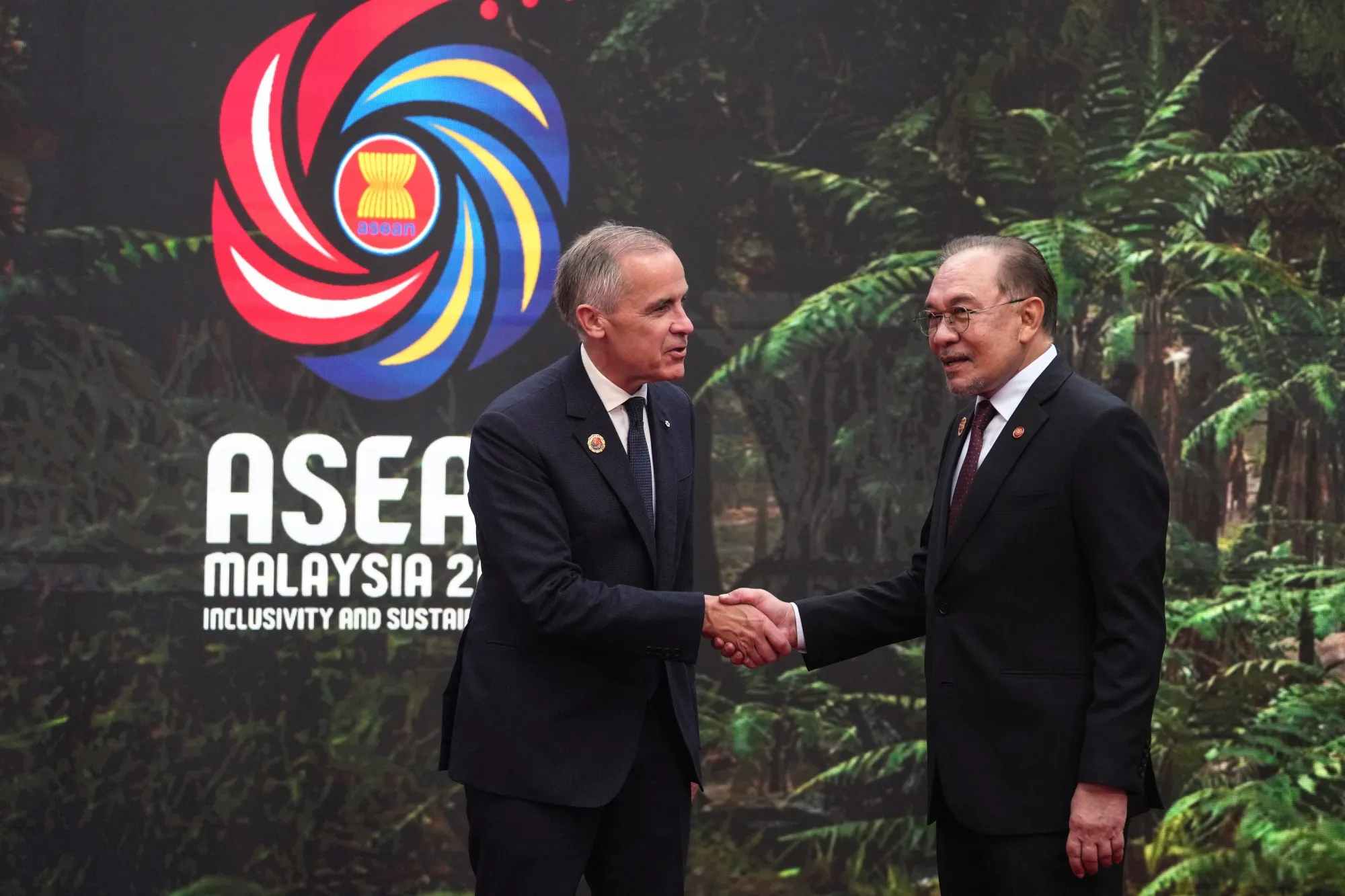
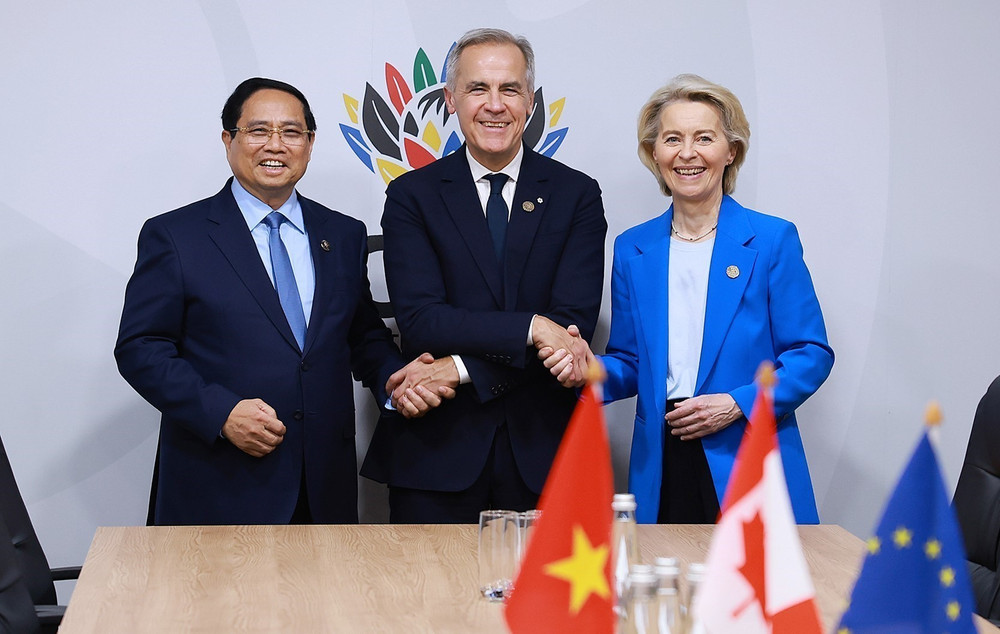
Barely a week into the new year, Prime Minister Mark Carney announced that he is heading to Asia and the Middle East as part of his government’s efforts to increase exports beyond the United States. The U.S. remains our largest trading partner, but it has also become our most unpredictable one. Tariffs imposed under President Donald Trump—and the casual talk of economic coercion dressed up as “America First”—have made one thing clear: Canada is not viewed as a partner when it is convenient to view us as leverage. Trade agreements are honoured selectively. Rules are bent when domestic politics demand it. Friendship, it turns out, has a tariff schedule. Canada’s overreliance on the U.S. has long been an economic vulnerability disguised as comfort. Nearly three-quarters of our exports still flow south. That level of dependency might make sense if the relationship were stable. It no longer is. That is why Carney’s stated goal—to double non-U.S. exports over the next decade—is not just prudent, it is overdue. Early indicators suggest momentum is already building. According to Statistics Canada’s January trade data, the trade surplus with the U.S. was lower in October, and exports with other nations rose. For example, exports to the United Kingdom for gold and crude oil to China were both up significantly. These are not symbolic wins; they are market corrections. Carney along with Ministers Anita Anand, Tim Hodgson, Mélanie Joly, Heath Macdonald, Maninder Sidhu, parliamentary secretary to the prime minister Kody Blois, and new Liberal MP Michael Ma, are spending a couple of days in China in mid-January meeting government and business leaders to “attract investment (and) diversify trade.” Following China, Carney travels to Qatar to promote trade and then heads to Davos for the World Economic Forum for further meetings to attract investment and new trade relations. Sidhu hit the Gulf region before the Prime Minister and announced five deals worth $600 million with Saudi Arabia, before he joined Carney in China. (In 2024, Canada’s exports to Saudi Arabia totalled about $2 billion and last year, Canada and Saudi Arabia agreed to further negotiations on investment and mutually beneficial trade initiatives). Carney’s decision to travel with senior ministers to China, the Gulf, and Davos is not naïveté about values—it is realism about interests. Canada does not have the luxury of conducting trade policy as a morality seminar. The global economy is being reshaped in real time, and countries that hesitate will be sidelined. Engagement does not mean endorsement; it means ensuring Canadian workers, businesses, and investors are not collateral damage in someone else’s trade war. Trade opportunities for Canada with China and the Middle East simply cannot be overlooked. For China, the second most populous country in the world, with two-way trade totalling $118.7 billion in 2024, there are additional trade opportunities in agriculture, natural resources and energy, including oil. And Canadians support increasing trade between our two nations. A recent Ipsos poll for Global news show more Canadians want the government to increase trade with China, 54 per cent, this follows an Angus Reid poll in October showing a slight increase in favourability towards China following Trump’s tariffs and threats of Canada becoming the 51st state. What matters most now is consistency. Canada must resist the temptation to slow down, hedge, or retreat if political winds change in the United States. Even if a future administration in Washington adopts a softer tone, the structural lesson remains: dependence is weakness. Markets diversify; serious countries do too. Carney’s government deserves credit for acting decisively where previous governments talked cautiously. But diversification cannot be episodic or reactive. It must be institutionalized—through infrastructure, export financing, trade corridors, and sustained diplomatic presence in growth markets. Leaving no table unturned means exactly that. Canada cannot afford to wait for Washington’s permission to pursue its own economic security. The world is bigger than one border, and Canada is finally starting to act like

Read More

Latest Posts

Canada Is Falling Behind in the Global Race for Skilled Workers

Canada is facing a critical skilled trades crisis that threatens our economy and quality of life. With nearly 700,000 skilled workers—ranging from electricians to cybersecurity technicians—set to retire by 2028, the impact on essential services like power grids, hospitals, and child-care centres is imminent. As the demand for skilled tradespeople grows, Canada risks falling behind in the global race for talent. Discover how this looming crisis could affect you and what steps can be taken to secure a brighter future for our workforce and communities. Don’t miss out on understanding this urgent issue!

Read More

Canada’s Immigration Debate Misses the Point: Too Many Immigrants Are Leaving

Canada’s immigration landscape is at a crossroads, as a new report reveals a troubling trend: one in five immigrants leave within 25 years of arriving. This exodus peaks in the crucial first five years, a time when newcomers should be establishing their careers and feeling a sense of belonging. As someone who has experienced the transformative opportunities Canada offers, I reflect on the risks we face if we fail to address this issue. The Canada I cherish may not be the same for future generations unless we confront the reality of these departures. Discover the insights that could shape our future.

Read More

From Ottawa to Queen’s Park, Canada Must Act Quickly

Canada is at a crossroads, facing profound economic changes that demand swift action. Prime Minister Mark Carney’s recent budget outlines a bold $1 trillion investment plan aimed at diversifying trade beyond the U.S. and attracting global talent. With tariffs costing Canadians billions, the urgency to innovate and adapt has never been greater. From major infrastructure projects to a new International Talent Attraction Strategy, the government is committed to building a resilient economy. As Ontario takes a cautious approach, the challenge remains: how can we create high-value jobs in a fractured global landscape? Discover the strategies that could shape our future.

Read More

Bridging the AI Divide: On Labour, Immigration and Talent

As businesses and governments across the country and around the world struggle to safely adopt AI to manage various domestic challenges, Canada has a unique opportunity to use its leadership and understanding of AI to address talent loss, labour mobility and issues related to immigration.

Read More

From Ottawa to Queen’s Park, Canada Must Act Quickly

Canada is at a crossroads, facing profound economic changes that demand swift action. Prime Minister Mark Carney’s recent budget outlines a bold $1 trillion investment plan aimed at diversifying trade beyond the U.S. and attracting global talent. With tariffs costing Canadians billions, the urgency to innovate and adapt has never been greater. From major infrastructure projects to a new International Talent Attraction Strategy, the government is committed to building a resilient economy. As Ontario takes a cautious approach, the challenge remains: how can we create high-value jobs in a fractured global landscape? Discover the strategies that could shape our future.

Read More

Immigration Must Be a Top Priority for Ottawa

This fall, the federal government is expected to release its 2026-2028 immigration levels when its 2025 Annual Report to Parliament on Immigration is tabled. Ottawa must show that immigration, including its goals, is a priority as the country looks to meet domestic and international challenges.

Read More

My Appeal to Alberta to Remain in Canada

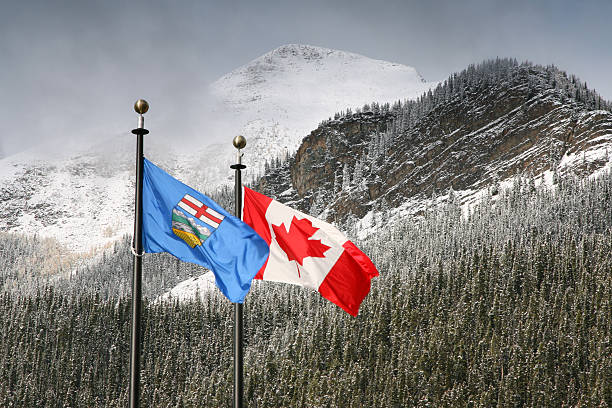
This past Canada Day, I did something I didn’t expect to. I raised the Maple Leaf in celebration of being a Canadian. My early years were spent bouncing from one country to another, and after immigrating to Canada and completing school, I left to travel the globe.

Read More

If Bengaluru, Delhi, and Mumbai Are Canada’s Gateways, Why Not Chennai?

For nearly two years, diplomatic relations between Ottawa and New Delhi were in deep freeze. Yet recently there have been encouraging signs that both governments are re-engaging with Canada and India announcing their new envoys last month. For Tamil Nadu, this thaw is not just a curiosity of geopolitics. It is an opening—and one that must be seized quickly.

Read More

Mexico Is More Important to Canada Than We Admit

On September 18, Prime Minister Mark Carney will travel to Mexico, a visit that comes at a critical juncture for both Mexico and Canada, given the current global trade and economic upheaval. Carney’s visit is an opportunity for both nations to build beyond the economic, energy and security needs of both; it is also a time to increase talent, educational and cultural exchanges.

Read More

Subscribe to the Elbow Room newsletter to join the conversation.

Get in Touch

I believe it’s time to challenge conventional notions on policies including education, development, immigration and expansion and to advocate a new approach for Canada on the world stage.